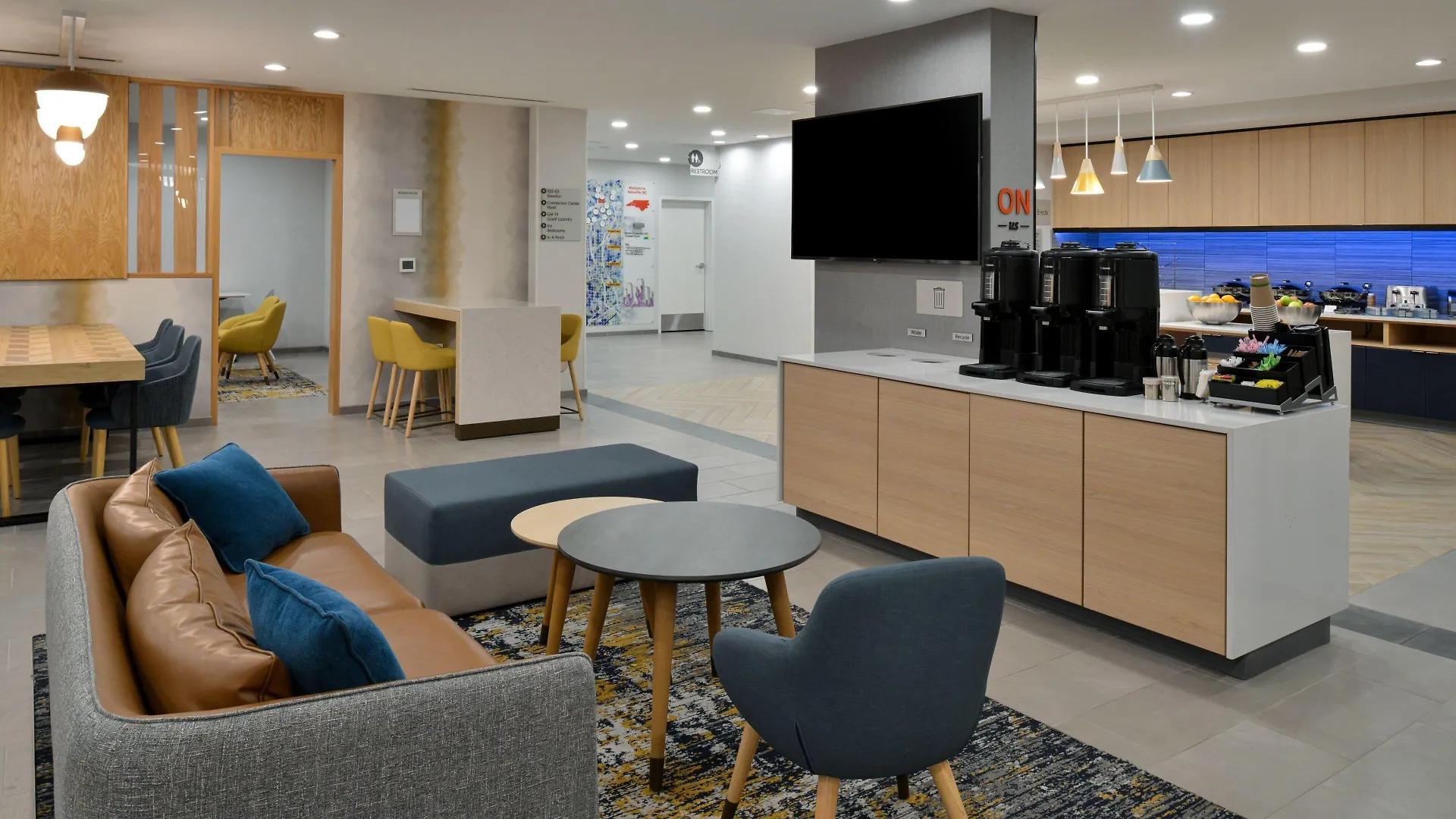
Downtown Asheville is one of the most walkable urban cores in the American Southeast, where indie galleries, James Beard-recognized restaurants, and live music venues sit within a few blocks of each other on streets like Lexington Avenue and Patton Avenue. Staying centrally means you can reach the Basilica of Saint Lawrence, the River Arts District, and Harrah's Cherokee Center on foot - no rideshare required. This guide breaks down five centrally located hotels in Downtown Asheville, comparing them by position, facilities, and what they actually deliver for the nightly rate.
What It's Like Staying in Downtown Asheville
Downtown Asheville operates on a human scale - most of the core district spans around 10 walkable blocks, which means the gap between your hotel and the nearest craft brewery or art gallery is rarely more than a few minutes on foot. Weekend nights on Lexington Avenue and around the South Slope get loud until around 2 AM, so room placement and soundproofing matter more here than in quieter neighborhoods. Weekday mornings are noticeably calmer, making this area work well for travelers who want urban access without permanent sensory overload.
Pros:
- Walking access to over 30 independent restaurants, bars, and galleries within the core grid
- Harrah's Cherokee Center, the Basilica of Saint Lawrence, and Pack Square Park all reachable on foot
- No car needed for most evening activity - parking costs are avoided entirely when choosing a hotel with free parking
Cons:
- Weekend bar noise on South Slope and Lexington Ave can disrupt light sleepers in street-facing rooms
- Asheville Regional Airport is around 19 km away, requiring a transfer regardless of hotel location
- Peak-season foot traffic on Haywood Street and Wall Street can make the area feel congested from May through October
Why Choose a Central Hotel in Downtown Asheville
Central hotels in Downtown Asheville sit within the street grid that puts you immediately inside the city's most active cultural and culinary zone - a meaningful advantage given that many Asheville attractions are concentrated in a compact area rather than spread across a sprawling metro. Centrally positioned properties typically carry a rate premium of around 20% over comparable hotels on the outskirts, but that difference often gets absorbed by reduced transport and parking costs over a multi-night stay. Room sizes in downtown Asheville hotels tend toward the compact side in older converted buildings, though newer builds like the Marriott-branded property offer suite-style layouts with kitchen units.
Pros:
- Immediate proximity to Asheville's dining corridor - no commute to dinner
- Properties in this zone frequently include free WiFi and on-site parking, reducing hidden trip costs
- Several central hotels offer fitness centers, reducing the need for any external gym access
Cons:
- Central location does not guarantee quiet - street noise is a realistic issue in older buildings without double-glazed windows
- Biltmore Estate requires a drive even from the most central hotel, as it sits around 8 km south
- Limited last-minute availability during festival weekends, particularly Brewgrass and Asheville Fringe Festival
Practical Booking & Area Strategy for Downtown Asheville
The tightest cluster of central hotels sits between Haywood Street to the north and Biltmore Avenue to the south - this corridor puts you within a short walk of Pack Square Park, the Thomas Wolfe Memorial, and the majority of Asheville's independent restaurant scene. Hotels on or just off Lexington Avenue offer the best balance between walkability and manageable noise levels on weeknights, though South Slope-adjacent properties will catch more weekend bar traffic. Biltmore Estate, the most visited paid attraction in North Carolina, is not walkable from any downtown hotel - plan for a rideshare or rental car specifically for that trip. Book at least 6 weeks ahead for visits between late April and October, when Asheville's tourism peaks sharply and downtown hotel inventory sells out across all price points; January through early March offers the most flexibility and lower nightly rates without sacrificing access to the city's year-round food and arts scene.
Best Value Stays in Downtown Asheville
These properties deliver strong central positioning and practical amenities at rates that justify the downtown premium without pushing into luxury territory.
-
1. Towneplace Suites By Marriott Asheville Downtown
Show on map


 Check-infrom 16:00 until 23:59Check-outuntil 11:00
Just a few rooms left at the best rate!
fromUS$ 107
-
2. The Windsor - Asheville
Show on map


 Check-infrom 16:00 until 23:00Check-outuntil 11:00
Just a few rooms left at the best rate!
fromUS$ 223
Best Premium Stays in Downtown Asheville
These three properties offer elevated positioning, broader facility sets, or brand infrastructure that adds practical value for guests prioritizing comfort and on-site services during their downtown stay.
-
3. The Restoration Asheville
Show on map


 Check-infrom 16:00 until 23:59Check-outuntil 11:00
Hurry – almost gone at this price!
fromUS$ 282
-
4. Hotel Indigo Asheville Downtown By Ihg
Show on map


 Check-infrom 16:00 until 23:59Check-outuntil 11:00
Hurry – almost gone at this price!
fromUS$ 142
-
5. Renaissance Asheville Downtown Hotel
Show on map


 Check-infrom 16:00 until 23:59Check-outuntil 11:00
Rooms filling fast – secure the best rate!
fromUS$ 119
Smart Travel & Timing Advice for Downtown Asheville
Asheville's tourism peak runs from late April through October, driven by the Blue Ridge Parkway foliage season, summer festival programming, and the city's growing reputation as a food destination - downtown hotel rates during this window can run around 35% higher than the same properties in winter. The Brewgrass Festival in October and the Asheville Fringe Arts Festival in January represent the two periods where downtown availability tightens most sharply at opposite ends of the calendar. A stay of three nights is the practical minimum to cover the downtown arts and dining circuit without feeling rushed, and it also makes the drive out to Biltmore Estate or a Blue Ridge Parkway overlook logistically worthwhile. January through early March offers the lowest rates and the thinnest crowds in the downtown core, with most restaurants and galleries remaining open year-round. Last-minute booking is viable in this window but risky from May onward, when inventory across all central hotel categories compresses significantly on weekends.