Tennessee spans over 400 miles from the Appalachian highlands in the east to the Mississippi River lowlands in the west, making your choice of base city more impactful than in most U.S. states. Whether you're targeting Nashville's music scene, the Smoky Mountains gateway towns, or Knoxville's walkable downtown, centrally located hotels cut transit time significantly and keep you closer to what actually matters on your trip.
What It's Like Staying in Tennessee
Tennessee rewards travelers who plan their base strategically. The state runs on car culture - public transit is minimal outside Nashville's WeGo bus network - so your hotel's proximity to interstates and attractions directly shapes your daily experience. Crowds concentrate heavily around Pigeon Forge and the Smoky Mountains corridor, especially from June through October, while Nashville's Lower Broadway stays busy year-round with locals and visitors alike.
Tennessee suits road-trippers, music fans, outdoor adventurers, and families looking for theme park access. Travelers expecting walkable urban infrastructure or robust transit networks may find the state's car-dependency frustrating, particularly in smaller towns like Gallatin or Tazewell.
Pros:
- Geographic variety - mountains, lakes, and music cities all within one state, making multi-stop itineraries genuinely rewarding
- No state income tax means tourism infrastructure investment is strong, and hotel options at multiple price points are widely available
- Central hotel positioning in towns like Pigeon Forge or Knoxville puts major attractions within a drive of around 15 minutes or less
Cons:
- A personal vehicle is nearly mandatory - ride-share availability drops sharply outside Nashville and Knoxville
- Seasonal congestion on US-441 through Gatlinburg and Pigeon Forge can add significant unexpected drive time during peak months
- Smaller towns like Tazewell and Pleasant View offer very limited walkable dining and entertainment within steps of the hotel
Why Choose Centrally Located Hotels in Tennessee
Centrally located hotels in Tennessee aren't just about convenience - they're a practical cost strategy. Staying central in a hub like Nashville's Broadway district or Knoxville's downtown eliminates the need for daily long-distance drives, which can cost around $20 or more per day in fuel alone on longer routes. In resort corridors like Pigeon Forge, central hotels also tend to offer perks like discounted attraction tickets directly at the front desk, something off-strip properties rarely provide.
Room sizes in central Tennessee hotels vary significantly by city: Nashville apartments-style properties offer full kitchens and dining areas, while Pigeon Forge roadside properties keep rooms functional but compact. Trade-offs include higher noise levels near entertainment districts and tighter parking in urban cores like Knoxville downtown, where parking is managed rather than free.
Pros:
- Direct access to attractions, restaurants, and entertainment without daily long commutes eating into your itinerary
- Many central properties include added-value perks like breakfast, attraction discounts, or fitness centers not found at budget roadside stops
- Apartment-style central options in Nashville provide kitchen facilities that reduce meal costs during longer stays
Cons:
- Central hotels in Nashville and Knoxville often charge for parking, adding to the nightly cost
- Properties along Pigeon Forge's main strip can experience road noise from heavy tourist traffic, especially on weekends
- Budget central options in smaller towns sacrifice amenities like pools or restaurants compared to their urban counterparts
Practical Booking & Area Strategy for Tennessee Hotels
Nashville is the strongest all-around base for first-time visitors - Nashville International Airport connects to over 60 destinations, and central-district hotels put you within walking distance of the Ryman Auditorium, Bridgestone Arena, and the Johnny Cash Museum. Knoxville's downtown is underrated as a base: Hotel Cleo sits under 400 metres from Market Square and within 2 km of Neyland Stadium, making it efficient for both sightseeing and event attendance. For Smoky Mountains access, Pigeon Forge properties on or near the main Parkway corridor shave meaningful time off your Dollywood and Great Smoky Mountains National Park visits.
Travelers targeting western Tennessee - including Union City near the Kentucky border - should book early, as limited hotel inventory means rooms fill faster than you'd expect for smaller markets. Book at least 6 weeks ahead for summer and fall foliage season, particularly for Pigeon Forge and the Gatlinburg corridor, where occupancy rates spike sharply. Pleasant View and Gallatin work well as budget-friendly overnight stops for Nashville day-trippers who want to avoid downtown pricing, with both sitting within around 45 minutes of the city center by car.
Best Value Stays
These properties deliver strong practicality-to-price positioning across Tennessee's smaller cities and drive-through corridors, making them smart picks for cost-conscious travelers who still want reliable amenities and central access to their target area.
-
1. The Wayback, Pigeon Forge, A Tribute Portfolio Hotel
Show on map


 Check-infrom 16:00 until 23:59Check-outuntil 11:00
Just a few rooms left at the best rate!
fromUS$ 54
-
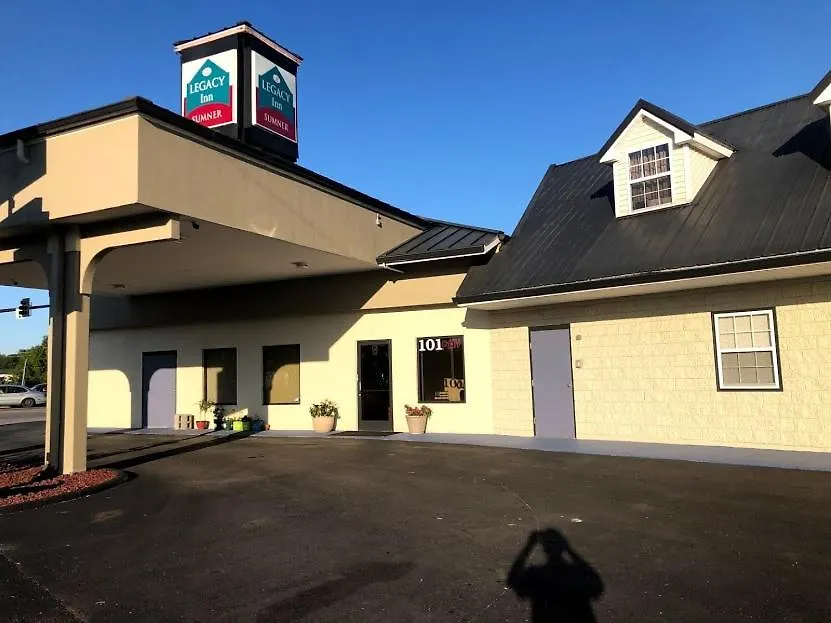
2. Legacy Inn - Gallatin
Show on map


 Check-infrom 15:00 until 23:59Check-outuntil 11:00
Just a few rooms left at the best rate!
fromUS$ 63
-
3. Imperial Inn Tazewell
Show on map


 Check-infrom 14:00 until 23:59Check-outuntil 11:00
Just a few rooms left at the best rate!
fromUS$ 91
-
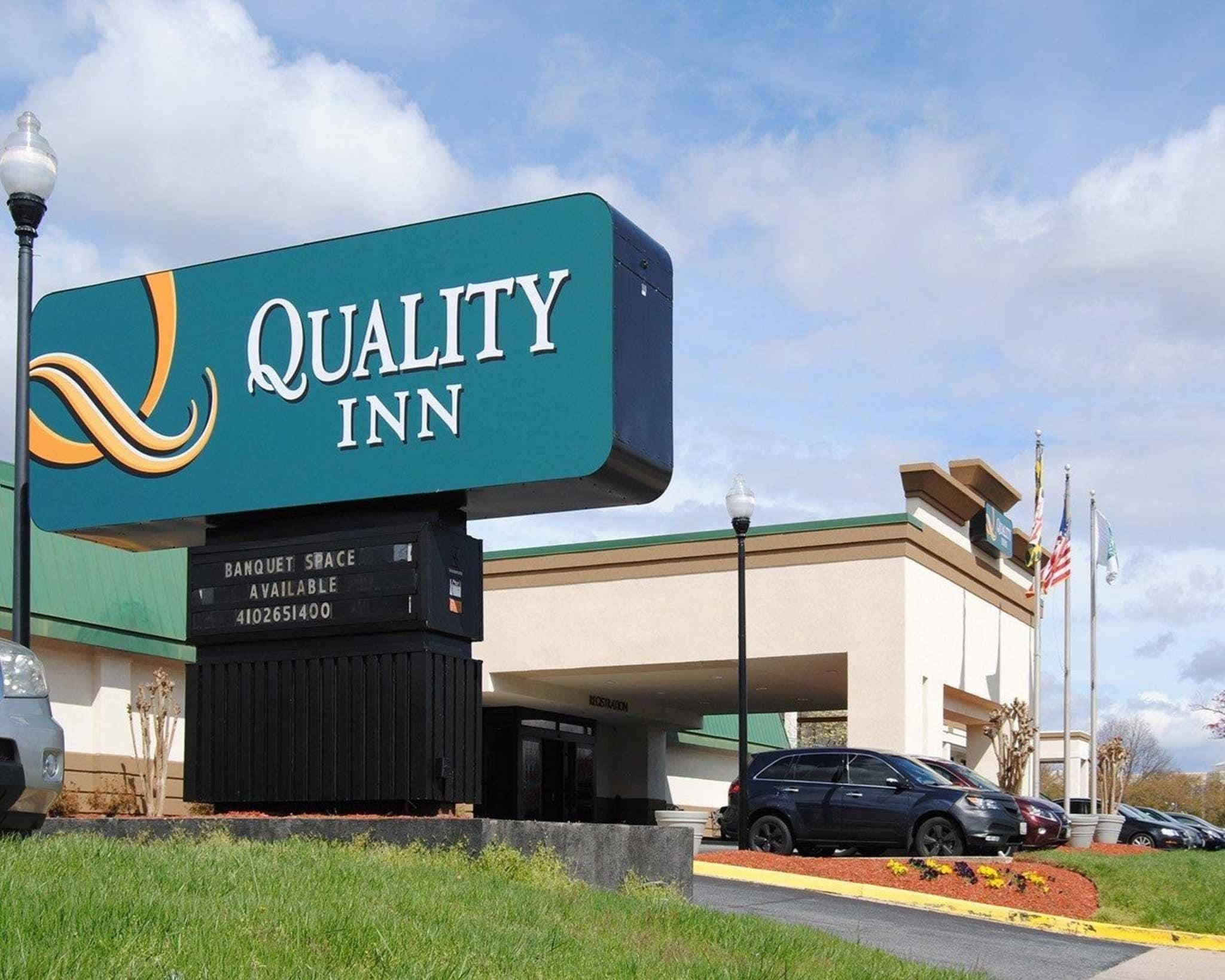
4. Quality Inn Pleasant View
Show on map


 Check-infrom 15:00 until 23:59Check-outfrom 10:00 until 11:00
Hurry – almost gone at this price!
fromUS$ 118
-
5. Quality Inn Ocoee - Cleveland East
Show on map


 Check-infrom 14:00 until 23:59Check-outuntil 11:00
Hurry – almost gone at this price!
fromUS$ 80
-
6. Holiday Inn Express & Suites - Union City By Ihg
Show on map


 Check-infrom 15:00 until 23:59Check-outuntil 11:00
Hurry – almost gone at this price!
fromUS$ 135
Best Premium Stays
These properties combine prime downtown positioning in Tennessee's two most visited cities with upscale amenities, making them the strongest picks for travelers who want walkability, full-service facilities, and high-quality urban experiences without sacrificing access to the state's top attractions.
-
7. Placemakr Music Row - Vanderbilt
Show on map


 Check-infrom 16:00 until 23:59Check-outuntil 11:00
Rooms filling fast – secure the best rate!
fromUS$ 181
-
8. Hotel Cleo, Knoxville Downtown, A Tribute Portfolio Hotel
Show on map


 Check-infrom 15:00 until 23:59Check-outuntil 12:00
Rooms filling fast – secure the best rate!
fromUS$ 296
Smart Travel & Timing Advice for Tennessee Hotels
Tennessee's tourism calendar splits into two distinct pressure points: summer (June-August) for the Smoky Mountains corridor and family travel, and October for fall foliage - arguably the most competitive booking window in the entire state. Pigeon Forge and Gatlinburg properties sell out weeks ahead during peak foliage, typically in mid-to-late October, and nightly rates can climb sharply compared to off-peak spring shoulder months. Nashville stays busy nearly year-round due to its convention calendar and music events, but January and February offer the lowest hotel pricing with few trade-offs in city-based attractions.
For most Tennessee itineraries, a minimum of 3 nights per base city makes logistical sense - enough time to cover key attractions without feeling rushed or spending excessive time in transit between towns. Travelers combining Nashville and the Smoky Mountains should plan for a mid-state stop or a day-drive, as the two regions sit around 4 hours apart by car. Book 6 weeks in advance for summer and fall; spring (March-May) allows more flexibility with last-minute bookings, particularly in smaller markets like Union City, Tazewell, and Gallatin.