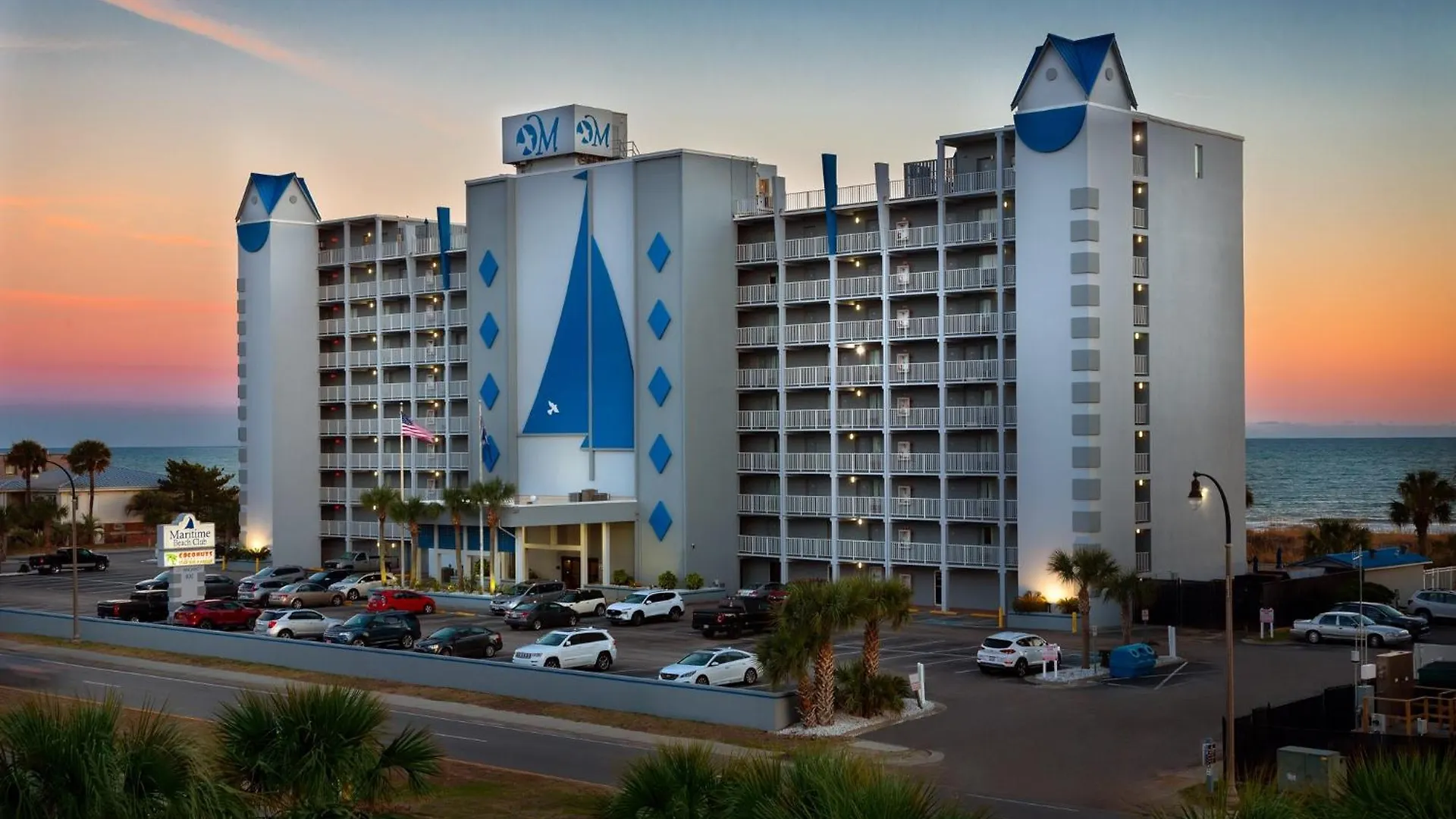
South Carolina draws millions of visitors each year with its mix of Atlantic coastline, college towns, and state parks - but choosing where to base yourself makes a measurable difference in what you can access, how much you spend, and how smoothly your trip runs. This guide compares 4 centrally located hotels across Clemson, Myrtle Beach, and Pawleys Island, with concrete details to help you book with confidence.
What It's Like Staying In South Carolina
South Carolina spans coastal resort strips, historic inland cities, and Blue Ridge foothills - meaning the experience of staying here varies dramatically depending on where you land. Myrtle Beach alone draws around 20 million visitors annually, creating a fast-paced, entertainment-dense environment along the Grand Strand, while towns like Clemson offer a quieter, walkable college-town rhythm tied closely to Clemson University's calendar. Getting around without a car is impractical in most areas outside of downtown cores, so private parking availability is a key factor when comparing hotels across the state.
Pros:
- Direct beach access in Myrtle Beach puts major attractions within walking distance, cutting daily transport costs
- Clemson and Pawleys Island offer significantly lower hotel rates than peak coastal properties without sacrificing comfort
- South Carolina's varied geography - from Huntington Beach State Park to the Blue Ridge foothills - rewards multi-base itineraries
Cons:
- A car is essentially required in most areas, and traffic on U.S. Highway 17 during summer slows coastal travel considerably
- Myrtle Beach hotel prices spike sharply in June and July, narrowing budget options near the shoreline
- Inland locations like Clemson are around 68 km from the nearest major airport, adding transit time for fly-in guests
Why Choose Central Hotels In South Carolina
Centrally located hotels in South Carolina are defined less by geography and more by their proximity to the town or district they serve - sitting within walkable distance of key amenities, dining, and local transport links rather than isolated resort complexes. In Myrtle Beach, beachfront-central hotels command a premium, but they eliminate the need for daily shuttle costs or car rentals for beach-focused stays, which can offset the rate difference. In smaller markets like Pawleys Island or Clemson, central hotels typically offer around 30% more floor space per dollar than comparable coastal properties, with easier parking and less foot-traffic congestion - a practical trade-off for travelers who don't need a resort-scale environment.
Pros:
- Walkable access to restaurants, shops, and local attractions reduces daily out-of-pocket transport expenses
- Central positioning in smaller South Carolina towns gives faster access to state parks and nature corridors without resort-area pricing
- On-site amenities like pools, breakfast, and fitness centers at centrally located hotels reduce reliance on external services
Cons:
- Central Myrtle Beach properties sit in high-density zones with significant summer crowd noise, especially on Ocean Boulevard
- Hotels near Clemson University fill quickly during home football weekends, requiring advance booking of at least 6 weeks
- Some inland-central hotels are convenient locally but inconvenient for day trips to multiple coastal destinations
Practical Booking & Area Strategy
For coastal stays, positioning yourself in North Myrtle Beach or within the central Grand Strand corridor keeps you within driving range of Broadway at the Beach, Barefoot Landing, and the Alabama Theater without paying peak Ocean Drive rates. Pawleys Island sits roughly 45 km south of central Myrtle Beach, making it a quieter alternative base with direct access to Huntington Beach State Park and Brookgreen Gardens - one of the largest outdoor sculpture gardens in the United States. For travelers combining a beach trip with an inland excursion into the Upstate, Clemson is approximately 68 km from Greenville-Spartanburg International Airport, making it a logical overnight stop before exploring Lake Hartwell, the Swamp Rabbit Trail, or attending a Tigers game at Clemson Memorial Stadium. Book Myrtle Beach properties at least 8 weeks ahead for June and July arrivals - last-minute availability in beachfront zones drops fast and prices reflect it.
Best Value Stays
These properties deliver strong positioning relative to their price point - practical amenities, solid local access, and transparent trade-offs suited to budget-conscious and mid-range travelers in South Carolina.
-
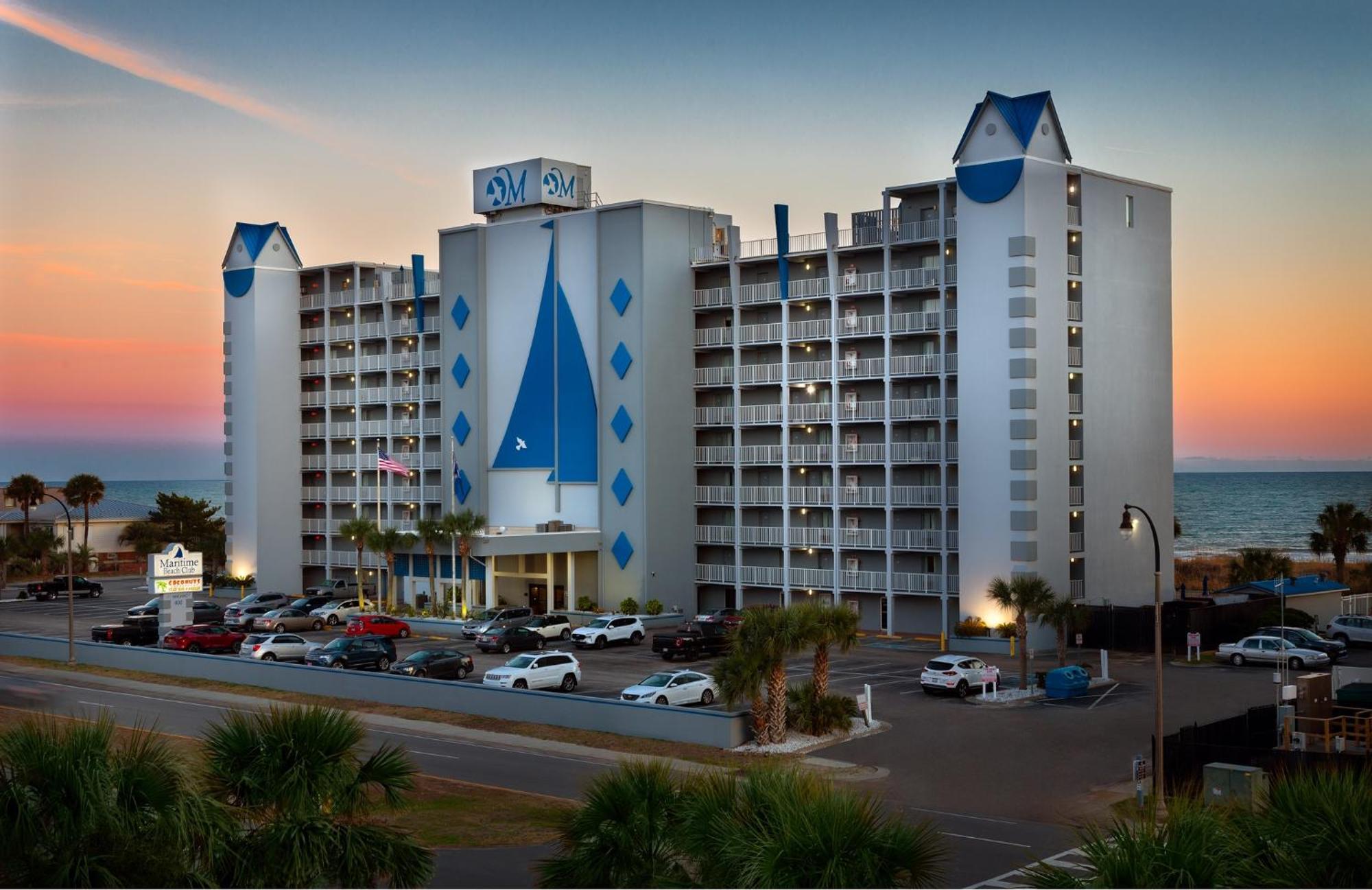
1. Maritime Beach Club
Show on map


 Check-infrom 16:00 until 23:59Check-outfrom 08:00 until 10:00
Just a few rooms left at the best rate!
fromUS$ 139
-
2. Best Western Pawleys Island
Show on map


 Check-infrom 15:00 until 23:59Check-outuntil 11:00
Just a few rooms left at the best rate!
fromUS$ 139
Best Premium Stays
These properties offer elevated positioning - either through stronger amenities, location proximity to key South Carolina attractions, or a distinct experience that justifies a higher nightly rate.
-
3. The Strand - A Boutique Resort
Show on map


 Check-infrom 16:00 until 23:30Check-outuntil 11:00
Hurry – almost gone at this price!
fromUS$ 138
-
4. The Shepherd Hotel Downtown Clemson
Show on map


 Check-infrom 16:00 until 23:59Check-outuntil 11:00
Rooms filling fast – secure the best rate!
fromUS$ 382
Smart Travel & Timing Advice For South Carolina
South Carolina's peak travel window runs from late May through August, when Myrtle Beach hotel rates can increase by around 60% compared to the shoulder season - making March through May and September through October the strongest windows for value-conscious travelers who still want warm weather and accessible beaches. Pawleys Island and Clemson follow different demand curves: Pawleys Island peaks alongside the Grand Strand in summer, while Clemson's busy periods cluster around home football Saturdays in September, October, and November, when booking at least 8 weeks in advance is essential for any centrally located property. A stay of 3 nights is typically the minimum to make the most of Myrtle Beach given the density of nearby attractions - Broadway at the Beach, Barefoot Landing, and the Grand Strand golf courses alone fill multiple days. For Pawleys Island, a 2-night stay pairs efficiently with a full day at Huntington Beach State Park and a half-day at Brookgreen Gardens. Last-minute deals in Clemson are rare during university events but available in December and January when campus activity drops significantly.