Rocky Mountain National Park draws hikers, wildlife watchers, and road-trippers from across the country, but lodging inside the park is extremely limited. Most visitors stay in gateway towns - Fort Collins, Winter Park, and Longmont - and drive into the park for day use. Best Western properties in these towns offer a consistent, reliable standard with amenities like free breakfast, pools, and free parking that genuinely reduce trip costs and logistics. This guide breaks down which property fits your entry point, travel style, and budget.
What It's Like Staying Near Rocky Mountain National Park
Rocky Mountain National Park covers over 415 square miles of alpine terrain, with Trail Ridge Road - the highest continuous paved road in the United States - as its signature drive. There is no commercial lodging inside the park itself, so every hotel stay means a morning commute to the entrance, typically under an hour from Fort Collins or Estes Park. Summer weekends fill park entry slots fast under the timed-entry permit system, which has been used in recent seasons - plan your accommodation around an early morning departure to beat both traffic and permit windows.
Visitors arriving from Denver commonly use Longmont or Fort Collins as overnight bases, cutting around 40 minutes off the drive compared to staying in Denver itself. Winter travel is viable but requires checking road closures on Trail Ridge Road, which typically closes by mid-October.
Pros:
- Gateway towns offer significantly more lodging variety and value than Estes Park, the most popular (and priciest) overnight hub
- Fort Collins and Longmont provide full-service restaurants, breweries, and services not available inside the park
- Free parking at gateway hotels eliminates the park shuttle logistics for self-drive visitors
Cons:
- Staying outside the park means a daily drive to reach trailheads - no walking out your door to wildlife at dawn
- Timed-entry permits require planning; a late hotel check-out can conflict with your park entry window
- Winter Park is on the western slope, making it a longer loop if you plan to use the east-side park entrances near Estes Park
Why Choose a Best Western Near Rocky Mountain National Park
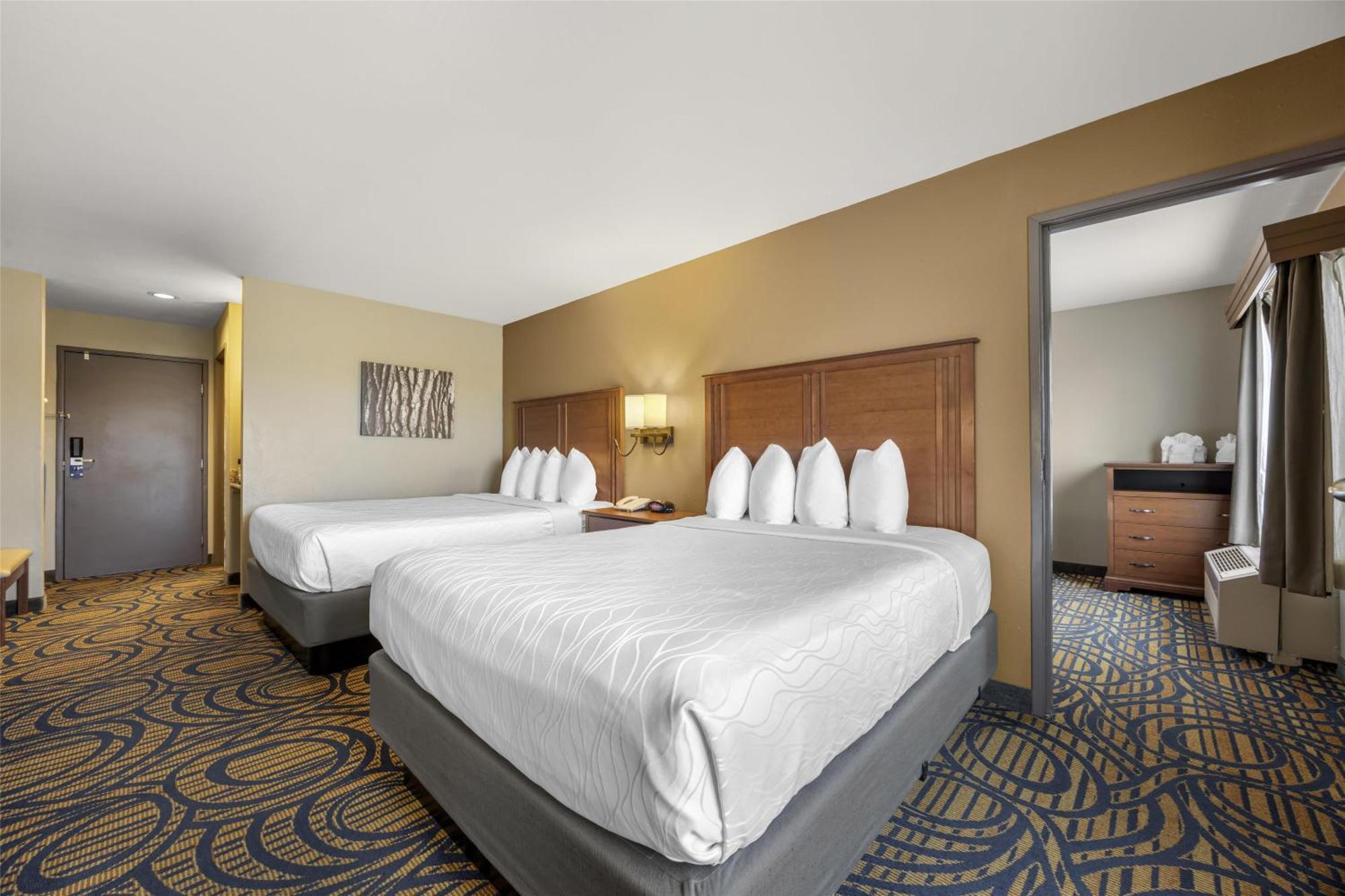
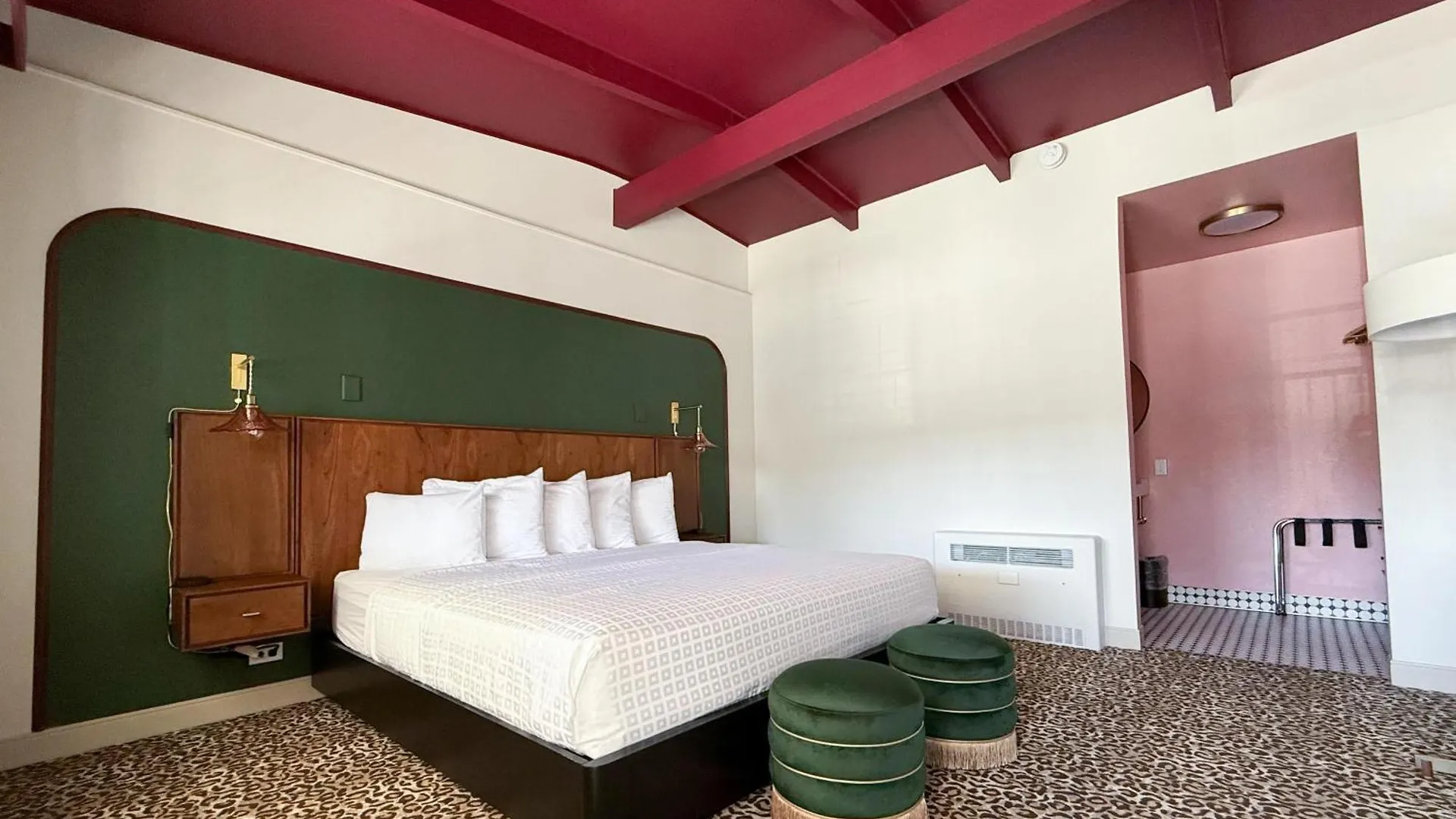
Best Western properties in Colorado's gateway towns deliver a mid-range standard that directly addresses the practical needs of park visitors: free hot breakfast saves time on early-morning trailhead departures, on-site pools and hot tubs serve sore muscles after long hikes, and free parking is included at every property listed here. Rates at these Best Westerns run significantly below Estes Park lodge pricing, often around 40% less during peak summer months, with no sacrifice in core comfort. Room sizes tend to be more generous than urban hotels, and several properties include microwaves and refrigerators - useful for packing your own lunch for a full day in the park.
The trade-off is distance: none of these properties are at a park entrance, so each visit to Rocky Mountain National Park requires a planned drive. However, all four properties include free parking, which matters when park shuttles don't serve your chosen trailhead.
Pros:
- Free hot breakfast at multiple properties means no extra cost or time spent finding a morning meal before hitting the park
- On-site pools and hot tubs are a practical recovery amenity after high-altitude hiking at elevations above 12,000 feet
- In-room microwaves and refrigerators support self-catering, reducing meal costs on multi-night stays
Cons:
- No Best Western property is located in Estes Park, the closest town to the park's most popular east entrance
- Seasonal amenities (outdoor pools, hot tubs) may not be available on shoulder-season visits in May or October
- These are mid-range chain properties - travelers wanting boutique mountain lodge ambiance will need to look elsewhere
Practical Booking & Area Strategy
Fort Collins is the strongest base for visitors targeting the park's east-side trailheads - Bear Lake, Emerald Lake, and the Lawn Lake area - sitting roughly 90 minutes from the Fall River Entrance. Longmont cuts that drive to around 75 minutes and places you closer to the US-36 corridor into Estes Park, which is the main approach route. Winter Park is best suited for visitors planning to combine Rocky Mountain National Park with skiing at Winter Park Resort or exploring the western slope via Trail Ridge Road from the Grand Lake entrance side.
Book at least 6 weeks ahead for July and August stays - these months combine peak school holidays with the highest park permit demand. Shoulder season (late May and September) offers lower hotel rates and smaller crowds, with wildflowers peaking in late June and elk rut drawing wildlife watchers through September. The Beaver Meadows and Fall River visitor centers are worth stopping at before heading to trailheads, as rangers provide real-time trail condition updates.
Best Value Stays
These three properties in Fort Collins and Longmont offer strong practical value for park visitors prioritizing cost efficiency, early-morning departure convenience, and post-hike recovery amenities.
-
1. The Buxton, BW Signature Collection By Best Western
Show on map


 Check-infrom 15:00 until 23:59Check-outuntil 11:00
Just a few rooms left at the best rate!
fromUS$ 85
-
2. Best Western Kiva Inn
Show on map


 Check-infrom 15:00 until 23:59Check-outuntil 11:00
Just a few rooms left at the best rate!
fromUS$ 78
-
3. Best Western Firestone Inn & Suites
Show on map


 Check-infrom 15:00 until 23:59Check-outuntil 11:00
Hurry – almost gone at this price!
fromUS$ 115
Best Premium Option
For visitors targeting the western approach to Rocky Mountain National Park via the Grand Lake entrance, or combining a park trip with skiing, Winter Park offers a resort-adjacent stay with mountain-specific amenities.
-
4. Best Western Alpenglo Lodge
Show on map


 Check-infrom 16:00 until 23:59Check-outuntil 11:00
Rooms filling fast – secure the best rate!
fromUS$ 109
Smart Travel & Timing Advice for Rocky Mountain National Park
July and August are the peak months - park entry requires timed-entry permits, hotel rates spike across all gateway towns, and Trail Ridge Road sees its highest traffic. Booking accommodation 6 weeks or more in advance is standard practice for summer visits; last-minute availability dries up fast, especially for the Fort Collins and Longmont properties that serve both park visitors and Colorado State University and University of Colorado event crowds.
Late September is the single best window for value travelers: elk rut brings dramatic wildlife activity near Horseshoe Park and Moraine Park, crowds drop noticeably after Labor Day, and hotel rates at all four Best Western properties fall. A 3-night stay is the practical minimum to experience Trail Ridge Road, at least two major trailhead hikes, and a sunrise wildlife viewing session without feeling rushed. Winter Park stays work best from November through March when ski season justifies the western-slope positioning; for a pure park-focused trip in summer, Fort Collins or Longmont delivers better entry-point efficiency.