The United States stretches across six time zones and dozens of distinct travel regions, making hotel location as critical as the hotel itself. These 15 three-star hotels span Connecticut, California, Florida, Massachusetts, Pennsylvania, Indiana, Minnesota, South Dakota, North Carolina, and Texas - covering coastal escapes, highway corridors, and mid-sized city stays. Each property delivers the practical infrastructure most travelers actually need: free parking, reliable WiFi, breakfast, and pools - without the price premium of four-star brands.
What It's Like Staying In The United States
The United States offers an extraordinary range of landscapes within a single country - from the Atlantic coastline of Connecticut and Florida to the Black Hills of South Dakota, the Central Valley of California, and the Pocono highlands of Pennsylvania. Most travelers underestimate how different each region feels, both logistically and culturally, which makes hotel location a genuine decision point rather than a detail. Road travel dominates in the U.S., and free on-site parking is available at around 90% of 3-star properties, making self-drive the most practical way to explore nearly every destination on this list.
Urban density varies massively: staying near a state highway interchange in Yulee, Florida delivers a completely different experience than booking in downtown-adjacent Scranton, Pennsylvania or Sacramento, California. Crowd patterns spike during summer (June-August) in most regions, and coastal areas like Amelia Island draw peak visitors from March through September. Budget travelers who plan in advance consistently find 3-star properties outperforming expectations in the U.S., especially chains with loyalty programs.
Pros:
- Unmatched geographic diversity - one country covers beach, mountain, desert, and forest destinations
- Free parking is nearly universal at 3-star U.S. properties, eliminating a cost that's standard in Europe
- Breakfast inclusion is common across mid-scale U.S. chains, reducing daily meal costs significantly
Cons:
- Public transport between destinations is limited - a car is effectively mandatory outside major cities
- Airport proximity varies widely; some properties listed here are over 60 km from the nearest airport
- Summer peak season inflates rates across all regions simultaneously, limiting last-minute flexibility
Why Choose 3-Star Hotels In The United States
Three-star hotels in the U.S. occupy a well-defined segment: nationally recognized brand standards (Hampton Inn, Fairfield by Marriott, Comfort Inn, Best Western Plus, Element) backed by loyalty programs, consistent room amenities, and predictable pricing. Nightly rates at 3-star U.S. properties typically run around 40% lower than comparable 4-star options in the same corridor, while delivering most of the practical infrastructure road travelers actually use - free parking, indoor or outdoor pools, fitness centers, and included breakfast.
Room sizes at U.S. 3-star properties are generally larger than European equivalents in the same category. Most include a microwave, refrigerator, and desk as standard - features that matter for multi-night stays or business travel. The main trade-off is location: many U.S. 3-star hotels sit near highway interchanges rather than city centers, which prioritizes driving access over walkability. Noise from adjacent roads is worth checking on a per-property basis, particularly at interstate-adjacent locations.
Pros:
- Brand loyalty points accumulate across chains like Marriott Bonvoy and Choice Hotels, adding long-term value
- In-room microwaves and fridges are standard at most properties, supporting flexible meal planning
- Indoor pools are common at properties in colder climates like Indiana and Pennsylvania, usable year-round
Cons:
- Highway-adjacent locations mean most properties require a car for dining and attractions
- Continental breakfasts vary significantly in quality between properties - hot buffets are not guaranteed
- Rooms near parking lots or highway sides can have elevated noise levels, worth requesting interior-facing rooms
Practical Booking & Area Strategy
Where you stay in the U.S. shapes what's accessible without a long daily drive. For coastal access, Niantic (Connecticut) and Amelia Island/Yulee (Florida) both place you within 15 miles of beaches and historic districts. For gateway destinations like Mount Rushmore, Rapid City is the only viable base - and booking Hampton Inn there more than 6 weeks in advance is advisable during summer. Sacramento positions travelers near UC Davis, the California State Railroad Museum, and Sacramento International Airport within 11 km, making it one of the more versatile urban placements in this list.
Mid-American stops in Goshen and Warsaw (Indiana) suit travelers on cross-state drives who need reliable chain infrastructure between Chicago and Fort Wayne. North Dartmouth (Massachusetts) offers immediate proximity to UMass Dartmouth and dining strips within walking distance. For the Texas panhandle, Pecos sits deep in the Permian Basin - it functions as a practical overnight stop rather than a destination base. Peak-season rates in South Dakota spike sharply during the Sturgis Motorcycle Rally in August, which overlaps with Mount Rushmore high season - book early or expect limited availability near Rapid City entirely.
Best Value 3-Star Hotels In The United States
These properties deliver strong practical value relative to their locations - highway accessibility, included breakfast, and reliable amenities at competitive mid-scale pricing across multiple U.S. states.
-
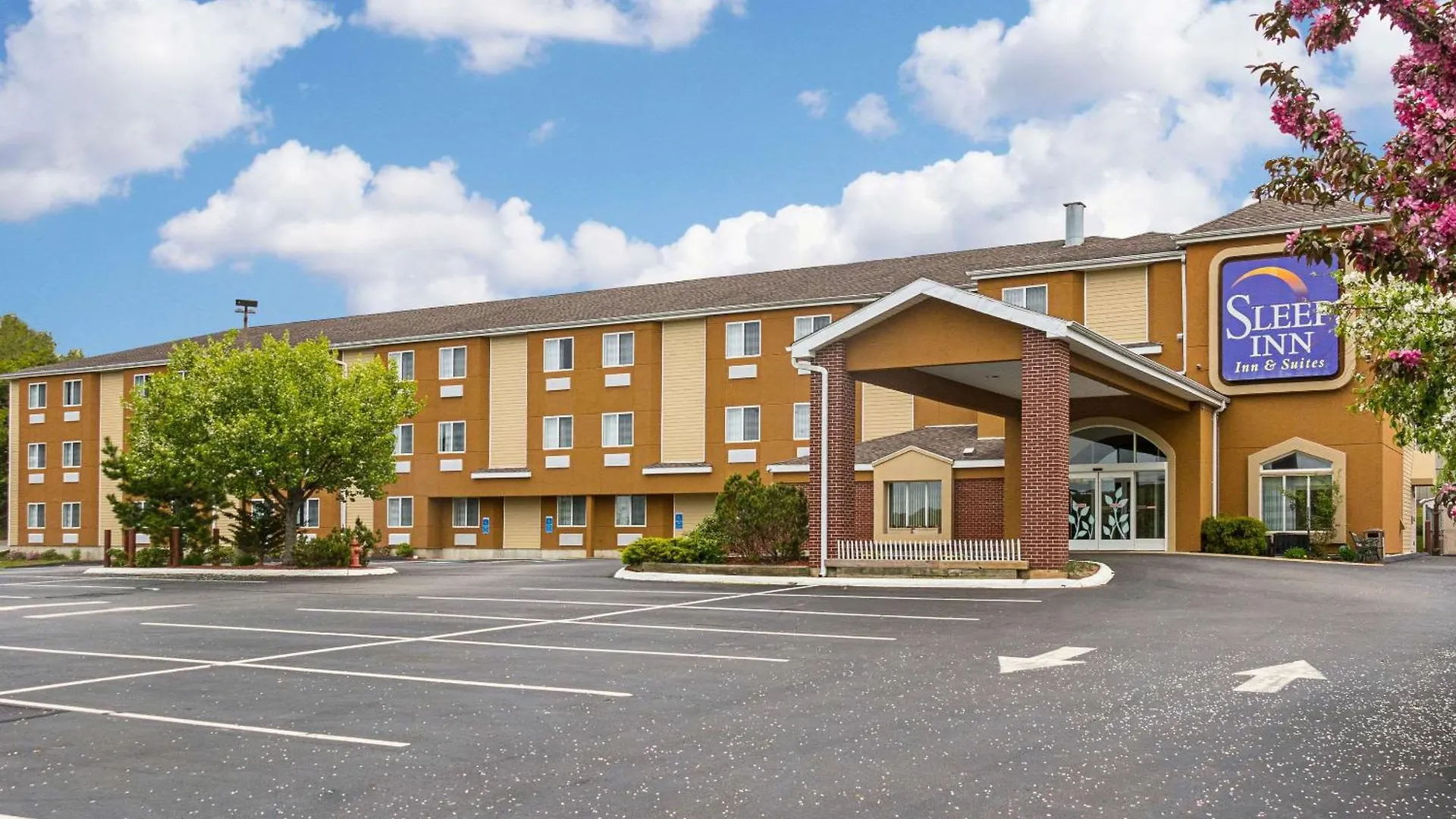
1. Sleep Inn & Suites Niantic North
Show on map


 Check-infrom 16:00 until 23:59Check-outuntil 11:00
Rooms filling fast – secure the best rate!
fromUS$ 140
-
2. Fairfield Inn By Marriott Tracy
Show on map


 Check-infrom 15:00 until 23:59Check-outuntil 12:00
Best price guarantee
fromUS$ 159
-
3. Best Western Plus First Coast Inn And Suites
Show on map


 Check-infrom 15:00 until 23:59Check-outuntil 12:00
Best price guarantee
fromUS$ 117
-
4. Baymont By Wyndham North Dartmouth Fall River
Show on map


 Check-infrom 15:00 until 23:59Check-outuntil 11:00
Hurry – almost gone at this price!
fromUS$ 94
-
5. Dunmore Inn
Show on map


 Check-infrom 15:00 until 23:30Check-outuntil 11:00
Hurry – almost gone at this price!
fromUS$ 75
-
6. Comfort Inn Goshen
Show on map


 Check-infrom 15:00 until 23:59Check-outuntil 11:00
Best price guarantee
fromUS$ 101
-
7. Hampton Inn Warsaw
Show on map


 Check-infrom 16:00 until 23:59Check-outuntil 12:00
Just a few rooms left at the best rate!
fromUS$ 100
-
8. Microtel Inn And Suites Pecos
Show on map


 Check-infrom 15:00 until 23:59Check-outuntil 12:00
Best price guarantee
fromUS$ 112
-
9. Quality Inn & Suites Towanda
Show on map


 Check-infrom 14:00 until 23:59Check-outuntil 11:00
Just a few rooms left at the best rate!
fromUS$ 99
-
10. Hampton Inn Eden
Show on map


 Check-infrom 15:00 until 23:59Check-outuntil 11:00
Rooms filling fast – secure the best rate!
fromUS$ 128
Best Positioned 3-Star Hotels For Landmark Access
These properties are selected specifically for their proximity to named U.S. landmarks, state parks, and major attractions - where location is the primary booking rationale rather than simply price.
-
11. Courtyard Amelia Island
Show on map


 Check-infrom 16:00 until 23:59Check-outuntil 11:00
Hurry – almost gone at this price!
fromUS$ 173
-
12. Hampton Inn Hanover
Show on map


 Check-infrom 15:00 until 23:59Check-outuntil 11:00
Best price guarantee
fromUS$ 145
-
13. Hampton Inn & Suites Rapid City Rushmore, Sd
Show on map


 Check-infrom 15:00 until 23:59Check-outuntil 11:00
Just a few rooms left at the best rate!
fromUS$ 157
-
14. Element By Marriott Sacramento Airport
Show on map


 Check-infrom 15:00 until 23:59Check-outuntil 12:00
Best price guarantee
fromUS$ 154
-
15. Redwood Lodge
Show on map


 Check-infrom 15:00 until 23:59Check-outfrom 08:00 until 11:00
Rooms filling fast – secure the best rate!
fromUS$ 129
Smart Travel & Timing Advice For The United States
Timing your U.S. trip correctly directly affects both availability and cost across all regions covered in this list. Summer (June through August) is peak season for the Black Hills/Mount Rushmore corridor in South Dakota, New England coastal areas like Niantic, and Florida's Amelia Island - booking at least 6 weeks in advance for summer travel is the minimum to secure preferred properties at reasonable rates. The Sturgis Motorcycle Rally in early August floods the entire Rapid City accommodation market, making Hampton Inn & Suites Rapid City particularly difficult to book affordably that week.
For California (Fairfield Inn Tracy, Element Sacramento), spring (March-May) and fall (September-October) offer the best combination of moderate pricing and favorable weather in the Central Valley and Sacramento region. Indiana properties in Goshen and Warsaw see steady business travel year-round but soften on weekends - Friday and Saturday nights often run cheaper than weekdays at these corporate-corridor hotels. In Florida, hurricane season runs through November, which means Yulee and Amelia Island properties can offer significantly reduced rates from August through October at the trade-off of weather uncertainty. Pennsylvania properties near Gettysburg peak in summer and fall foliage season (October), with January through March offering the most competitive rates. For most properties in this list, a 2-night minimum stay captures the destination adequately - extending to 3 nights only makes sense when using the hotel as a base for multiple day trips rather than a single attraction visit.